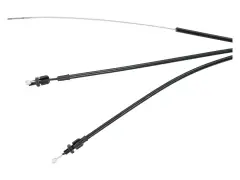
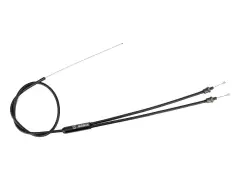
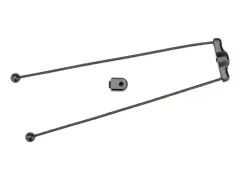
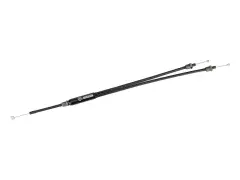
Gyros
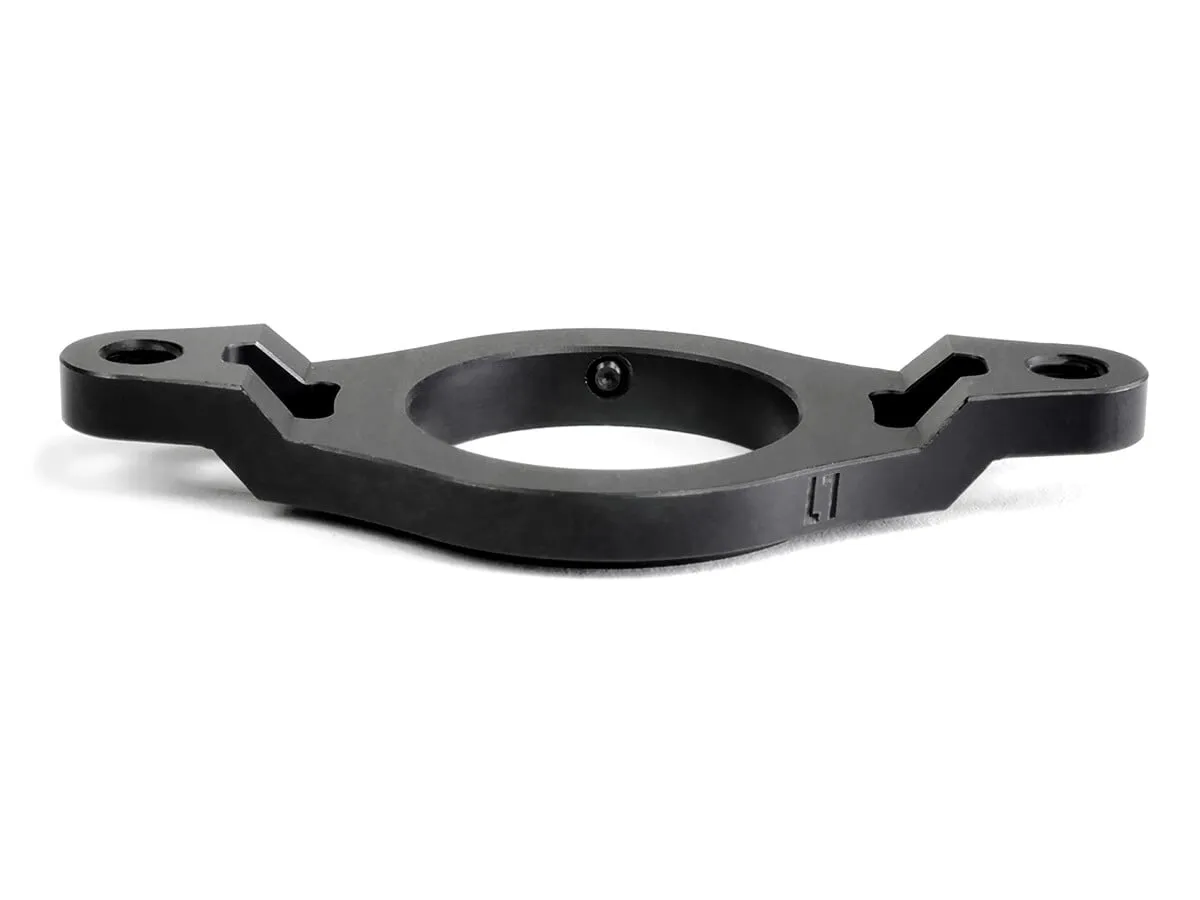
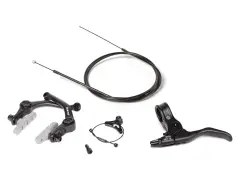
Do you want to do infinite barspins and tailwhips without your brake cable getting tangled? A Rotor (Gyro) is the solution. It decouples the brake cable via a rotating bearing on the head tube. Here you will find the rotor unit itself as well as complete sets. Don't forget: For a custom setup, you also need special gyro cables.
Gyros FAQGyros stuff
Gyros FAQ
What is a Rotor and what is its main purpose?
A rotor allows you to turn the handlebars 360 degrees while the rear brake remains fully functional. The principle: The pull from the brake lever is mechanically split, transferred via a rotating bearing on the head tube, and merged again at the bottom.How is a Rotor System constructed?
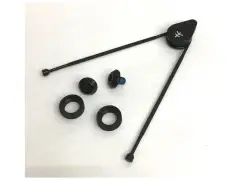
A rotor never works alone. You need a complete system consisting of these components:- Rotor Unit
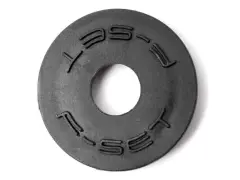
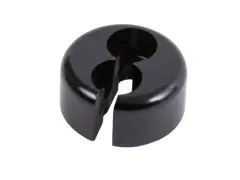
- The heart. A ring with sealed bearings (or bushings) that rotates freely around the steerer tube and transfers the pulling force.
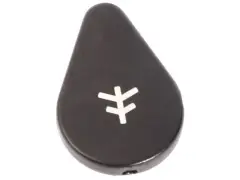
- Upper Plate
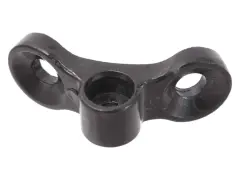
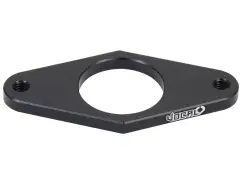
- A plate mounted under the stem. It holds the upper cable housings. Important: Included in cheap sets, but with high-end CNC rotors, it often must be bought separately (or is integrated into the stem).
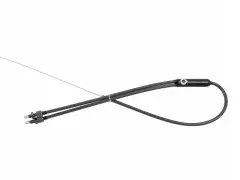
- Cable Setup (Y-Cable vs. Dual)
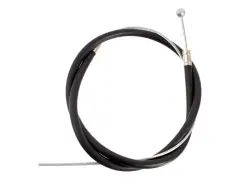
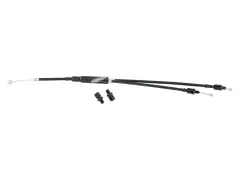
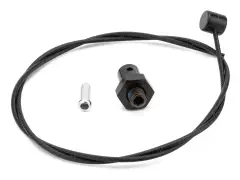
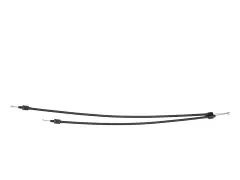
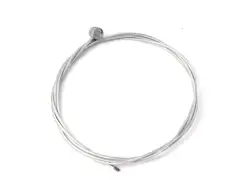
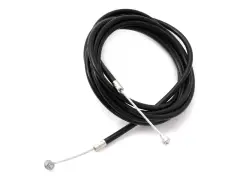
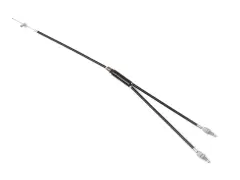
- Classically, Y-Cables (Split Cables) are used. Pros often use Dual Cables, meaning two completely separate cable strands for top and bottom, to minimize friction.
- Gyro Tabs (or Lower Plate)
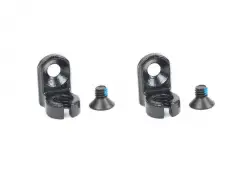
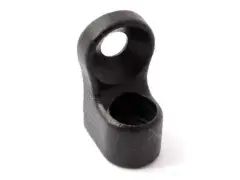
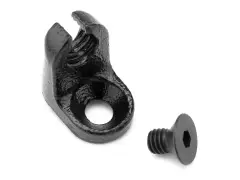
- The stops on the frame. Modern frames have integrated threads for screw-on tabs. Older frames need a lower rotor plate pressed into the headset cup.
What types of Rotors are there?
- CNC Rotors (High End)
- Milled from aluminum (e.g., Odyssey GTX). Run silky smooth on high-quality sealed bearings. Usually sold "naked" (without cables/plates) so you can build your own setup.
- Standard Rotors (Basic)
- Often made of steel, run on bushings or loose balls. Slightly heavier and require more maintenance, but cheap and often available as a complete kit.
Which Rotor is right for my needs?
Almost all freestyle forks use the 1 1/8 inch standard. Therefore, mechanically, almost all rotors fit. The decision lies in performance:
- Do you want maximum braking power and zero maintenance? Go for a Sealed Bearing CNC Rotor.
- Are you just looking for a cheap entry-level solution? A standard rotor is enough for the start.
How do I install a Rotor?
- Remove stem and spacers.
- If necessary: Screw Gyro Tabs into the frame or place Lower Plate on the headset.
- Slide Rotor Unit onto the steerer tube (Note: Observe direction, logo usually faces up).
- Place Upper Plate on the rotor (or use a stem with integrated plate).
- Remount stem and adjust headset.
- Hook in cables and adjust tension.
How do I maintain and care for a Rotor?

- Cleaning: Keep the bearing clean from sand and energy drink residue.
- Lubrication: A drop of thin oil (e.g., sewing machine oil) on the bearing works wonders if the rotor starts to drag.
How do I identify and fix common problems?
- Spongy brake: Usually not the rotor's fault, but unevenly tensioned cables. The rotor plates must remain parallel when the brake is pulled!
- Rotor rattles: Check if the rotor has play on the steerer tube or if the bearings are worn out.
What do the specifications mean?
| Specification | Explanation | Examples / Available |
|---|---|---|
| Bearing | Quality of rotation. | Sealed Bearing, Bushing |
| Material | Weight and precision. | 6061-T6 Alu (CNC), Steel |
| Scope of Delivery | What's included? | Rotor only (Unit), Full Kit (incl. cables/plates) |